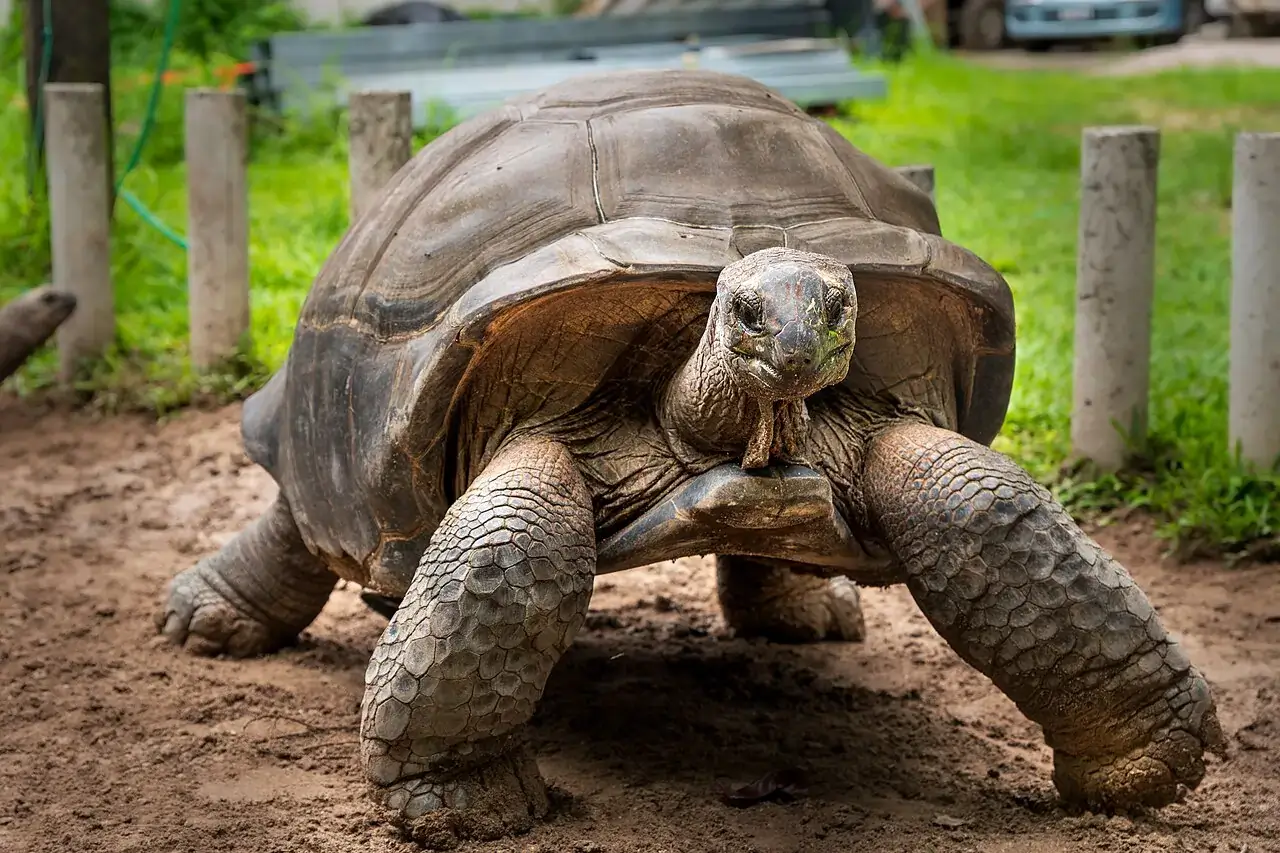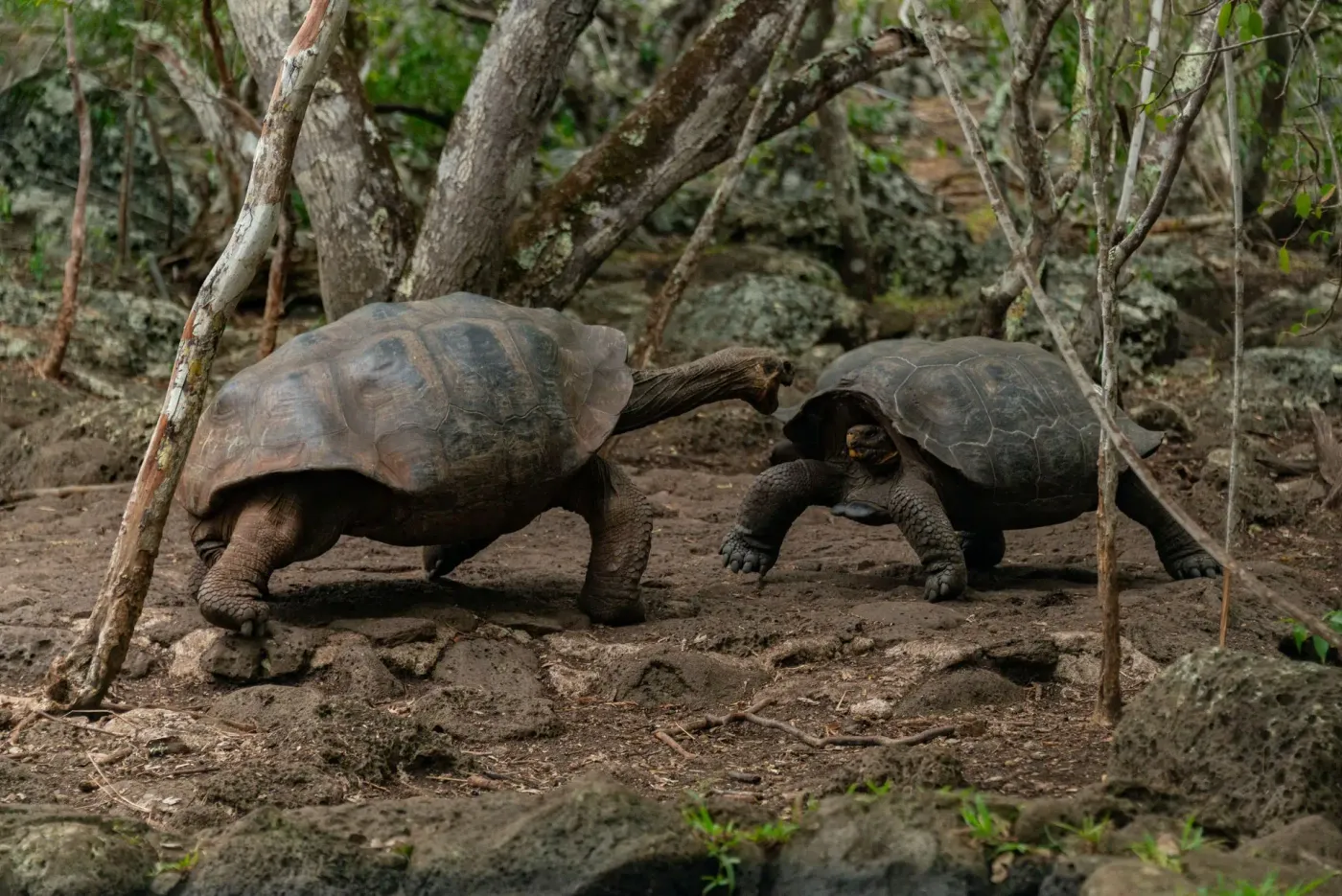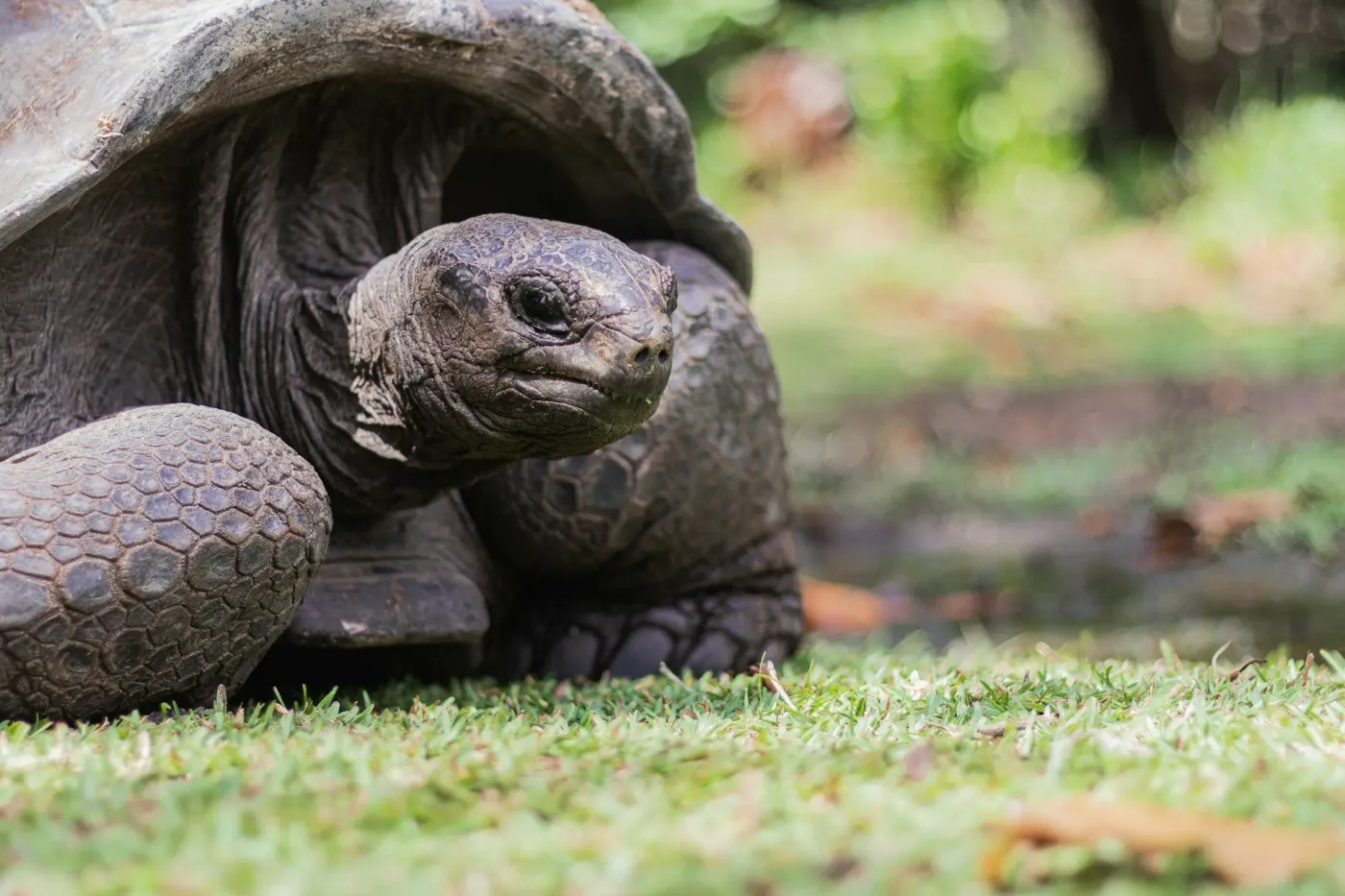
The Aldabra giant tortoise is one of the planet's last true giants: up to 250 kg, a lifespan beyond a century, and a wild population of more than 100,000 concentrated on a single Seychelles atoll. The paradox is that this atoll is one of the hardest places in the world to visit. Here are the two ways to see these tortoises, the expedition and the accessible one.
 © Joel Ambass / Unsplash
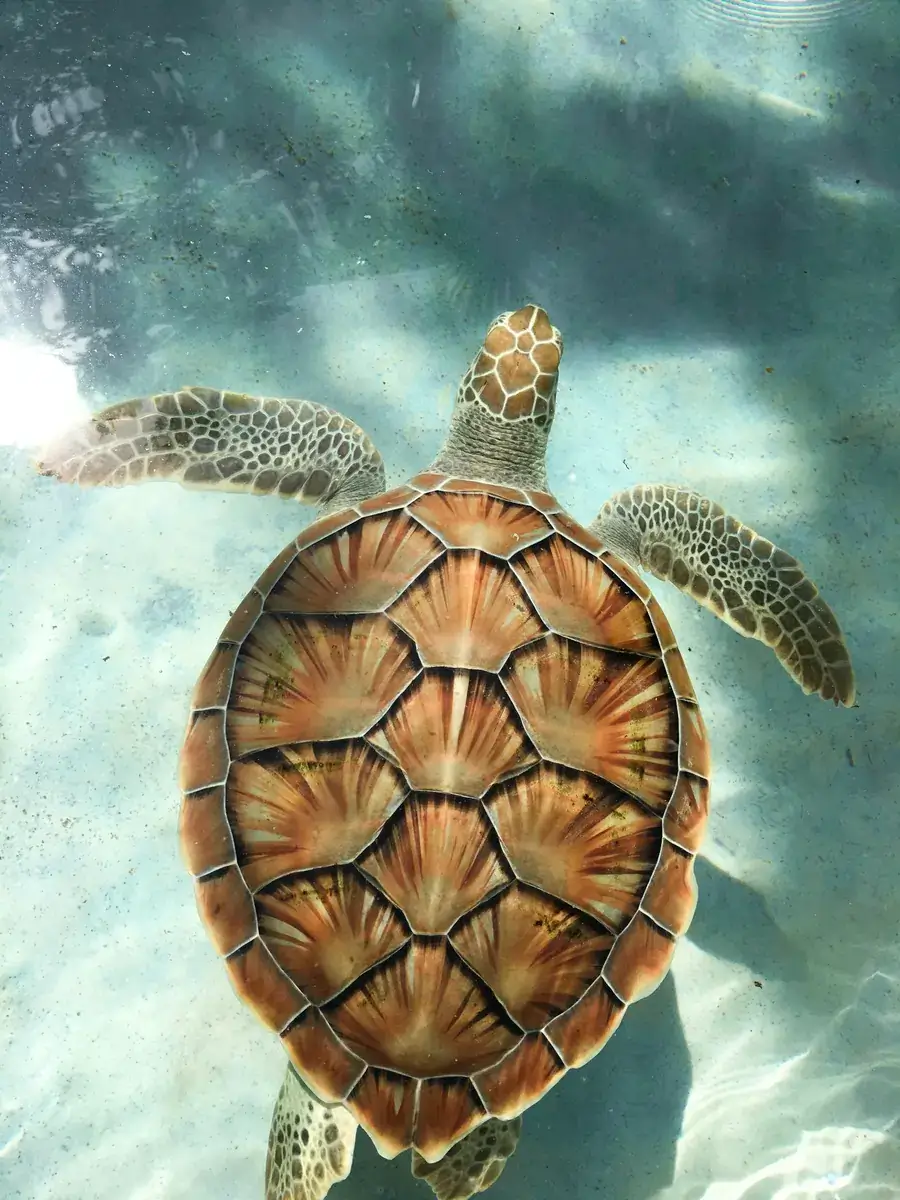
 © Moritz Feldmann / Pexels
The real Aldabra: an expedition, not a trip
Aldabra Atoll, a UNESCO World Heritage site, lies more than 1,100 km from Mahe, at the far edge of the outer Seychelles. No airstrip, no hotel, no permanent residents: just a research station and the largest herd of giant tortoises on Earth, grazing freely as it always has.
Access is by expedition vessel or chartered yacht only, on 7 to 14 day outer-island itineraries, with landings escorted by Seychelles Islands Foundation rangers. The practical season runs November to April, with the calmest seas from January to March. Budget-wise, expect roughly 8,000 to 15,000 euros per person (2026 prices), plus landing and conservation fees.
Once there, encounters are all but guaranteed: with over 100,000 tortoises on the atoll, you'll meet them within minutes of landing at Picard station. Between tortoises, the atoll hosts coconut crabs, the Indian Ocean's last flightless bird, and untouched lagoons.
The accessible version: Curieuse, 20 minutes from Praslin
For most travellers, the real answer to "where can I see Aldabra tortoises" is not Aldabra. Introduced populations roam free on several inner Seychelles islands, and the best experience is on Curieuse Island, a national park 15 to 20 minutes by boat from Praslin.
Around a hundred giant tortoises wander freely around the ranger station and along Anse St Jose beach. You walk among them, no fences, no enclosures, with park rangers keeping an eye on things. The day trip from Cote d'Or beach costs about 800 to 1,500 Seychellois rupees per person, park fees and snorkeling included (2026 prices), often combined with St Pierre islet.
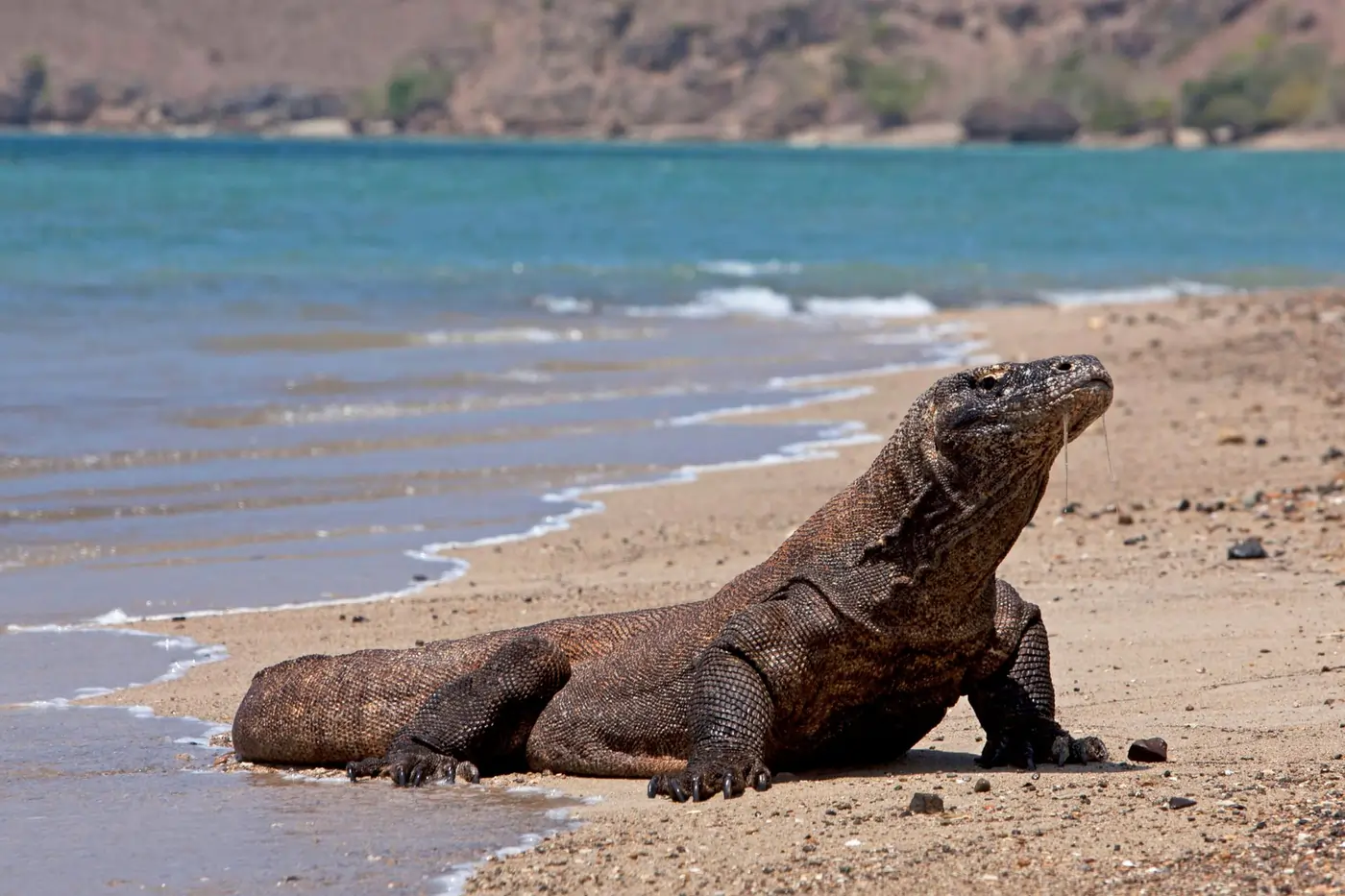
 © Logan Hamm / Pexels
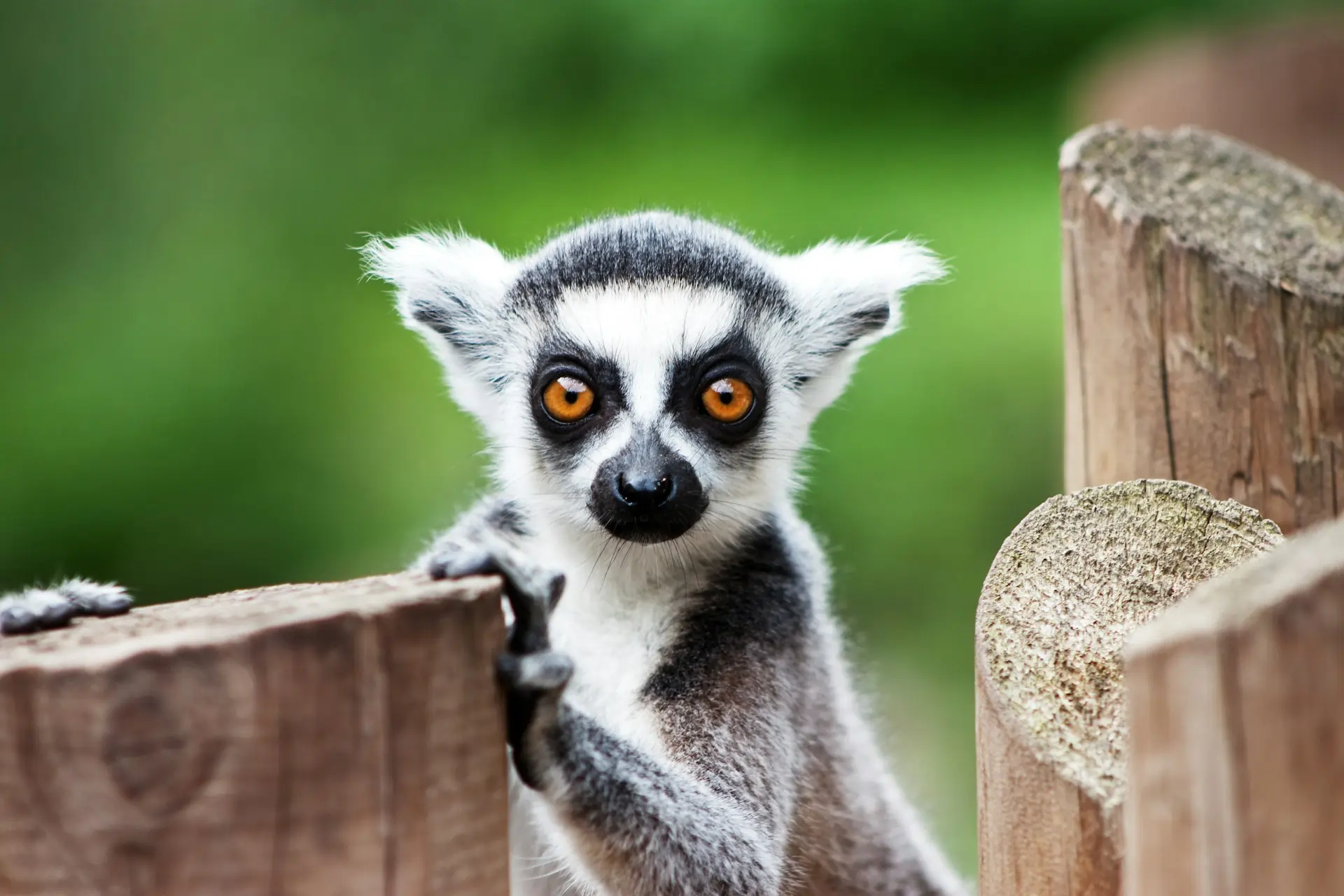
 © Vika Glitter / Pexels
Another no-boat option: several inner islands, including La Digue, keep free or semi-free roaming tortoise groups. Less wild than Curieuse, but perfect if your itinerary skips Praslin.
 © Pawel Wieladek / Unsplash
 © Mysurrogateband / Pexels
 © Vika Glitter / Pexels
 © Veronika Andrews / Pexels
Aldabra or Galapagos?
The planet's only two surviving giant tortoises live 15,000 km apart. The Galapagos tortoise is slightly heavier; the Aldabra tortoise far more numerous, roughly 100,000 individuals against 15,000 in the Galapagos. The practical difference for travellers: in the Galapagos, the encounter happens in the Santa Cruz highlands, as part of an already distant and pricey trip; in the Seychelles, it's within reach of a simple day trip from a holiday island.
The practical bit
The dry season, April to October, gives the most comfortable crossings to Curieuse, but the tortoises are there year-round. Morning and late afternoon are best: in the heat of the day, tortoises retreat to the shade. And skip the improvised feeding sessions: these animals need nothing from us but space.