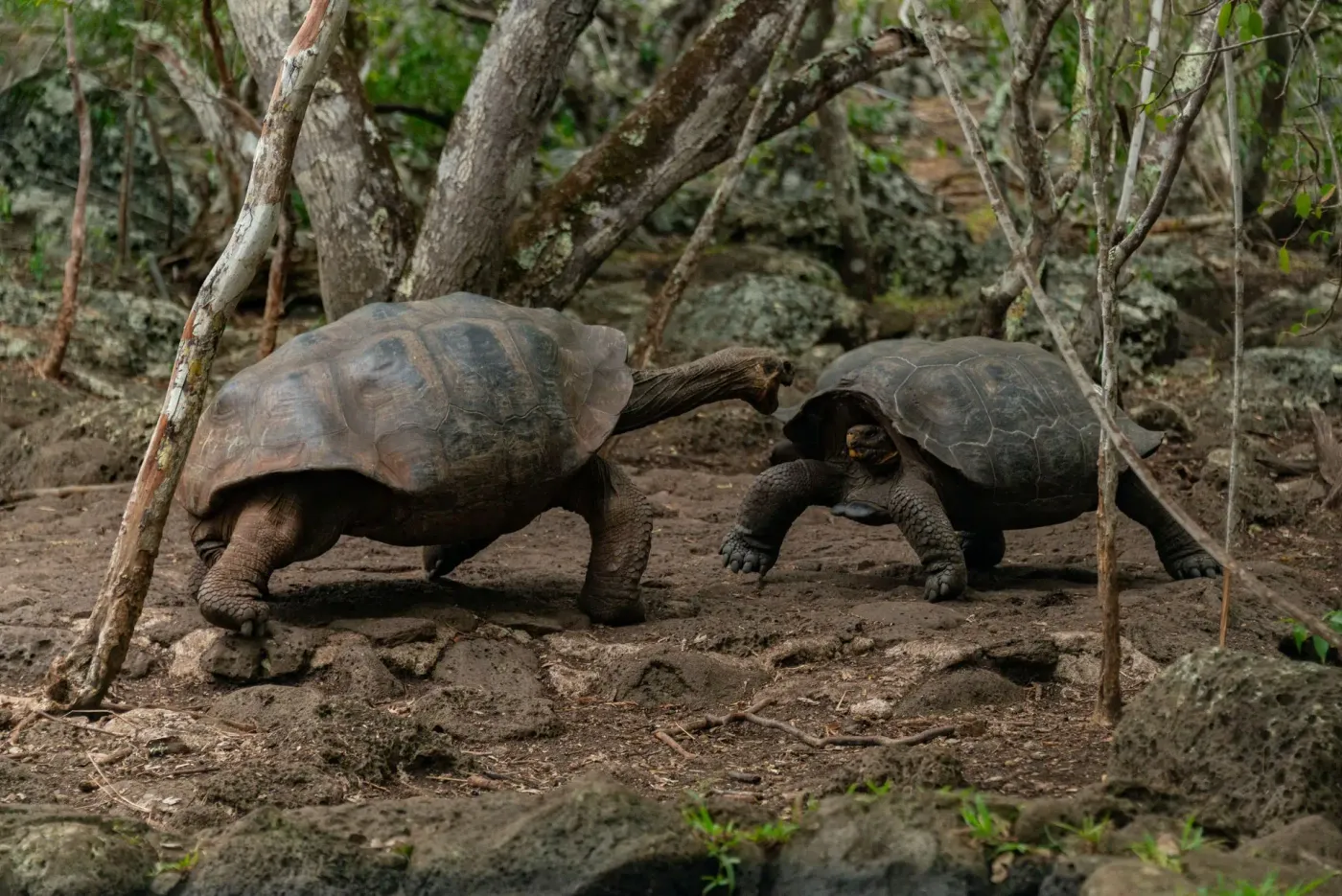
Many travellers assume you need an expensive cruise to see Galapagos giant tortoises in the wild. Not true: the most reliable place on the planet to walk among genuinely wild tortoises is the highlands of Santa Cruz Island, half an hour by taxi from the archipelago's main town. Here's the essential: where, when, how much, and the rules.
 © Bjarn Bronsveld / Unsplash
The Santa Cruz highlands: the sure thing
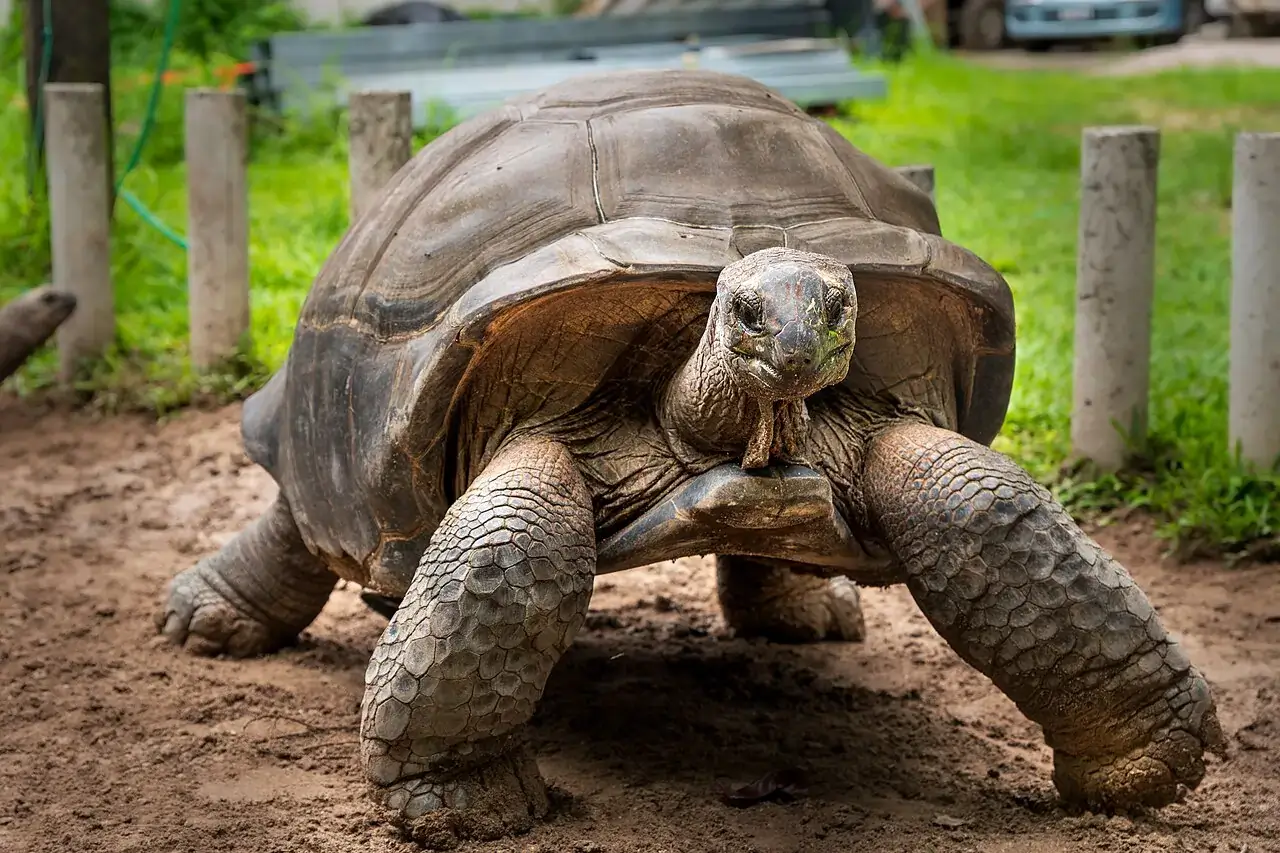
Above Puerto Ayora, the highland mist keeps the pastures green all year, and the giant tortoises climb up to graze there along their natural migration route between lowlands and highlands. Two private ranches near Santa Rosa village, El Chato and Rancho Primicias, sit right on that path: the owners charge entry, but the tortoises are neither fenced nor theirs. They roam free across open pastures, wallow in mud ponds, and ignore you magnificently.
The visit is easy: flat trails, rubber boots lent at the entrance, and the first tortoises usually appear within minutes.
 © Deb Dowd / Unsplash
 © Danny Lema / Pexels
Getting there, and the cost
From Puerto Ayora, the white pickup taxis reach Santa Rosa in about 30 minutes: expect 25 to 40 dollars round trip, waiting time included (2026 prices). Most highland tours combine the ranch with the Bellavista lava tunnels and the twin craters of Los Gemelos, all within a 20-minute drive.
It's one of the cheapest experiences in the whole archipelago, in a place where almost everything is expensive: a fine way to start or end the trip without depending on a boat.
 © Diego F Parra / Pexels
When to go
Tortoises are there year-round, but the garua season, July to November, is best: the cool drizzle concentrates the animals on the high pastures, with sighting odds around 90%. In the warm season, part of the population heads back down to the lowlands and sightings spread out more.
 © Diego F Parra / Pexels
 © Sonder Quest / Unsplash
The rules, simple but serious
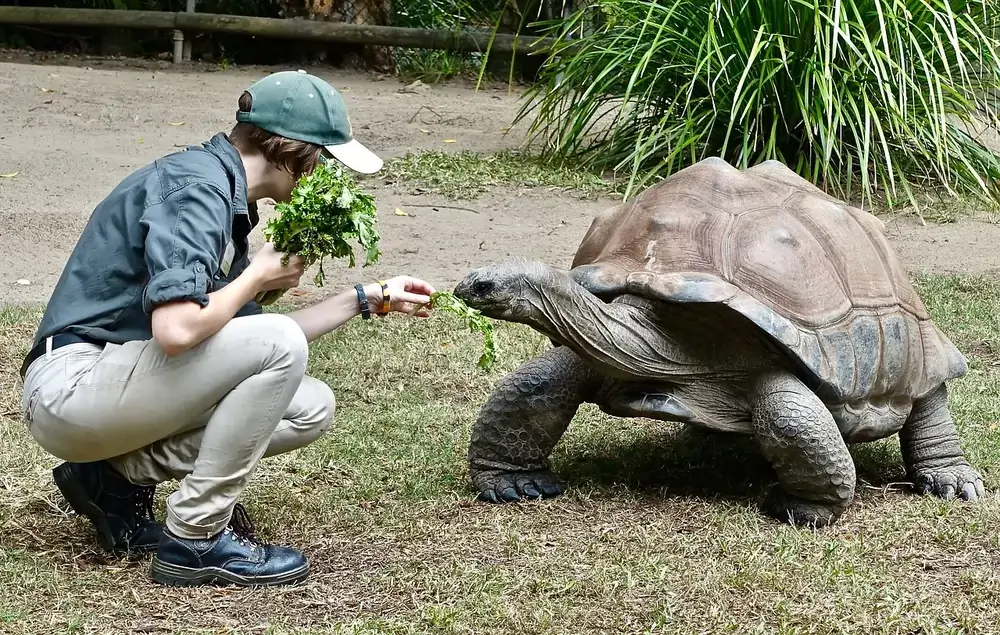
The national park requires at least two metres of distance from every tortoise, no touching, no feeding, no blocking their path, and no flash. If a tortoise hisses and pulls into its shell, you're too close: step back. With animals that can pass 150 years of age, patience is the only attitude that makes sense.
What about the world's other giant tortoises?
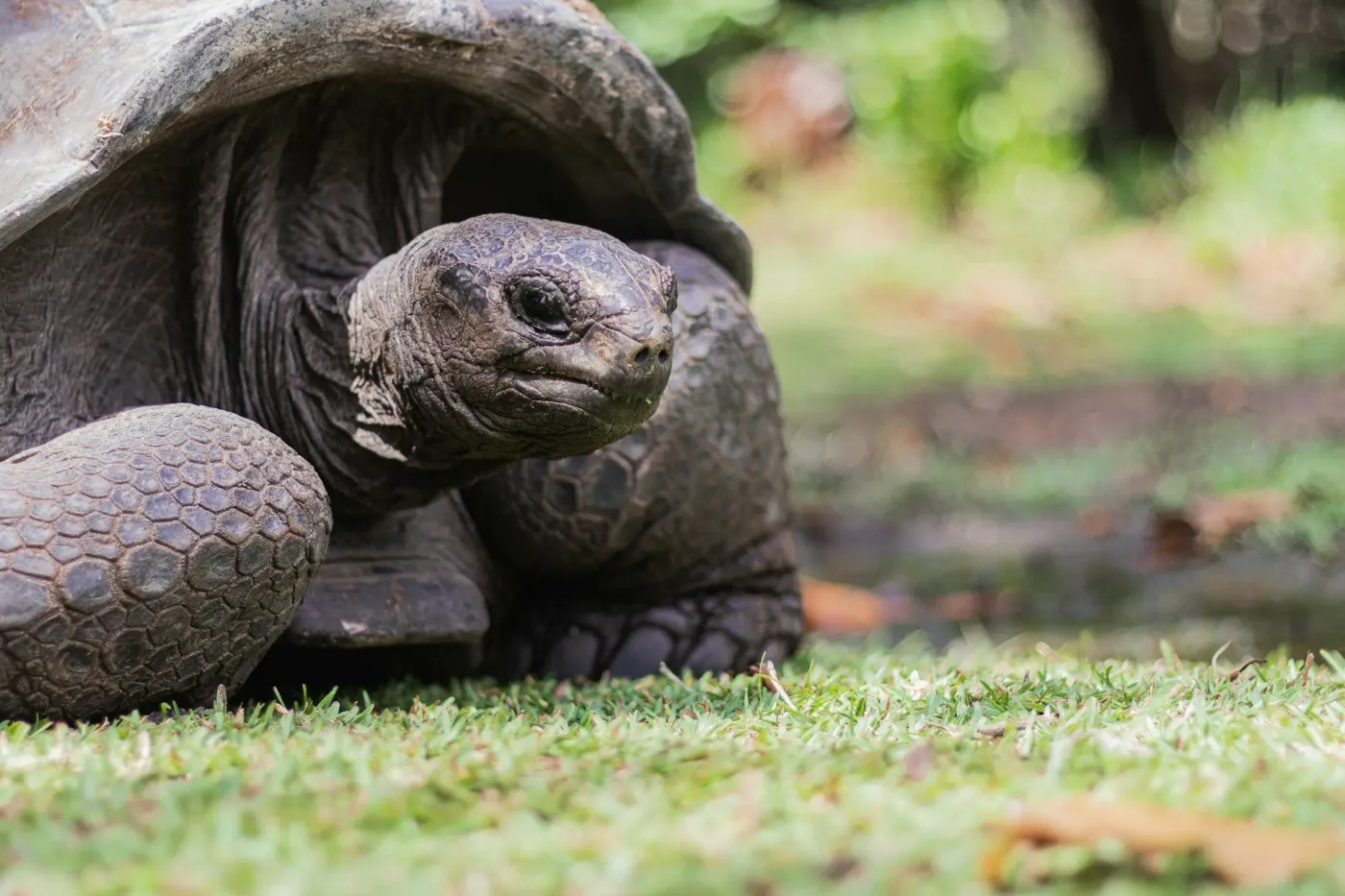
The Galapagos don't hold a monopoly. The other survivor is the Aldabra giant tortoise, in the Seychelles: a little lighter, but far more numerous, roughly 100,000 individuals against about 15,000 in the Galapagos. If your travels point to the Indian Ocean rather than the Pacific, Curieuse Island near Praslin offers an equally free-roaming encounter for the price of a day trip. Those are the only two places on Earth where this kind of encounter still exists.