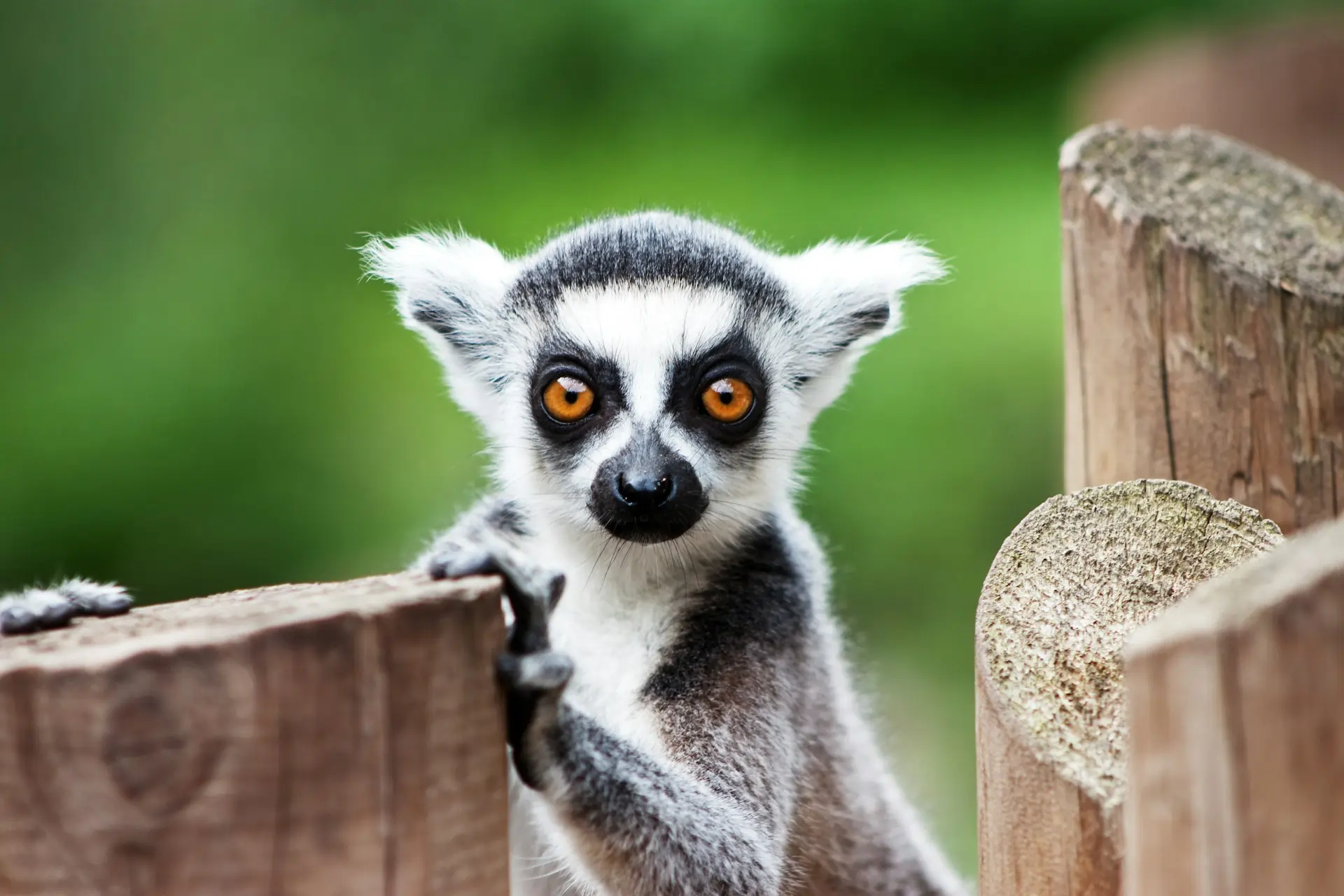
Around a hundred lemur species live in Madagascar, and nowhere else on Earth. But the island is the size of France, the roads are slow, and every park shelters different species: you cannot see everything in one trip. Here are the six parks that really matter, from the most accessible to the wildest, to build an itinerary that makes sense.
 © William Warby / Unsplash
 © Jan Sedlon / Unsplash
 © Martin Brechtl / Unsplash
Andasibe, the obvious starting point
Four hours east of Antananarivo by road, Andasibe-Mantadia is the country's most accessible lemur park, and the only place in the world to hear the indri sing. The largest living lemur has a call somewhere between whale song and a siren, carrying for kilometres across the valley at dawn. Eleven species live here, including the diademed sifaka. A guided walk costs 15 to 35 dollars per person (2026 prices), and night walks along the forest edge reveal mouse lemurs and sportive lemurs by torchlight.
Ranomafana, for species found nowhere else
In the misty highlands, eight hours south of the capital on the RN7, Ranomafana protects twelve species including the golden bamboo lemur, discovered here in 1986 and seen nowhere else on a standard circuit. The trails are steep and muddy and demand reasonable fitness, but three to five species in a single morning is common. Entry with a guide runs 20 to 40 dollars.
Anja, kingdom of the ring-tailed lemur
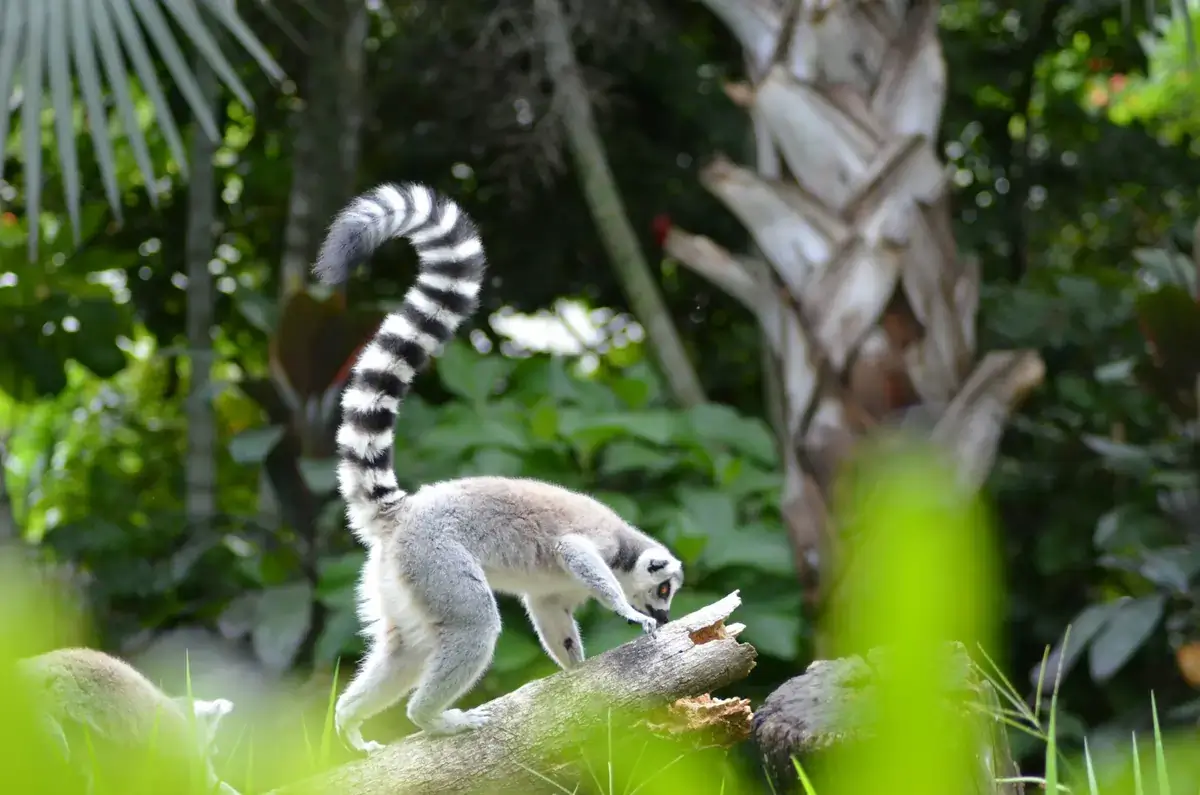
The star lemur, the one with the striped tail, lives in the south. The Anja Community Reserve near Ambalavao, on the RN7, shelters around 400 habituated ring-tails that sunbathe upright on granite boulders. It's also a model worth supporting: the reserve is run by the village, and the income stays there. Entry with a guide costs 10 to 20 dollars. A word about Berenty, the historic private reserve of the far south: it remains famous for Verreaux's sifakas, but animal welfare problems are documented there, linked to non-native tree plantations. Anja is the better choice for ring-tails today.
 © Guillermo Suarez / Unsplash
 © Rebecca Campbell / Unsplash
 © Duminda Perera / Unsplash
Kirindy, for the world's smallest primate
Near the famous Avenue of the Baobabs, the dry forest of Kirindy is the only place on Earth to see Madame Berthe's mouse lemur: nine centimetres long, the smallest primate in the world. You'll need a night walk to find it, but the forest also delivers Verreaux's sifakas by day and, with luck, the fossa, the island's only large predator. Mind the season: unlike the other parks, Kirindy peaks in the austral summer, January to February.
Masoala, for those who want the real forest
Masoala is the expedition version: a peninsula of primary rainforest reached only by boat from Maroantsetra, one to three hours on the water. You go for the red ruffed lemur, a large flamboyant species endemic to this coast, and for the forest itself, the most intact in the country. Stays run three to five nights, and from July to September humpback whales calve in Antongil Bay, right offshore.
Amber Mountain, the northern stop
If your route runs through the north (Diego Suarez, Nosy Be), Amber Mountain offers easy crowned lemur sightings along cool, shaded trails between waterfalls and volcanic lakes. A guided half day costs 25 to 50 dollars.
When to go, and how to plan
The ideal window for almost every park is September to November: dry trails, active lemurs, and the year's youngsters starting to venture out. The most efficient route remains the RN7 heading south (Andasibe as a round trip from Tana, then Ranomafana and Anja along the way), with Kirindy or Masoala as an extension for the committed. Two well-chosen parks are enough to see six to ten species: two days per park beats racing across the island.